How to Use Fill Dirt
Fill dirt is an essential material for anyone tackling landscaping and construction projects. Unlike topsoil, which is rich in organic matter and ideal for planting, fill dirt is primarily subsoil composed of clay, sand, and small rocks. It’s designed for stability and compaction, making it perfect for creating solid foundations and reshaping terrain. Whether you’re leveling a backyard, filling in a depression, or building up areas for better drainage, understanding how to use fill dirt effectively can save you time, money, and headaches. In this complete guide for landscaping and construction in Denver, we’ll break down the key uses, step-by-step application tips, and best practices, with a special nod to resources for those in the Denver area.

Common Uses for Fill Dirt
Fill dirt’s versatility makes it a go-to choice for a wide range of landscaping and construction projects. Here are some of the most popular applications:
- Leveling Uneven Ground: If your yard has dips, hills, or uneven spots, fill dirt can create a flat surface. This is especially useful for installing patios, driveways, or lawns where stability is key.
- Building Foundations and Support: For structures like retaining walls, sheds, or even home additions, fill dirt provides a compactible base that prevents shifting or settling over time.
- Improving Drainage: In areas prone to water pooling or erosion, fill dirt can be used to elevate low spots or create gentle slopes that direct water away from buildings and gardens.
- Filling Holes or Depressions: Whether you’re removing an old pool, pond, or tree stump, fill dirt is ideal for backfilling these voids to restore a smooth landscape.
- Landscaping Features: Raise garden beds, create berms for privacy, or shape contours in your yard to enhance aesthetics and functionality.
In regions like Denver, where terrain can be rocky and sloped, knowing how to use fill dirt is particularly valuable for adapting to local conditions and preventing issues like erosion in dry climates.
Step-by-Step Guide:
Using fill dirt isn’t complicated, but proper preparation and technique ensure long-lasting results in your landscaping and construction efforts. Follow these steps for a successful project:
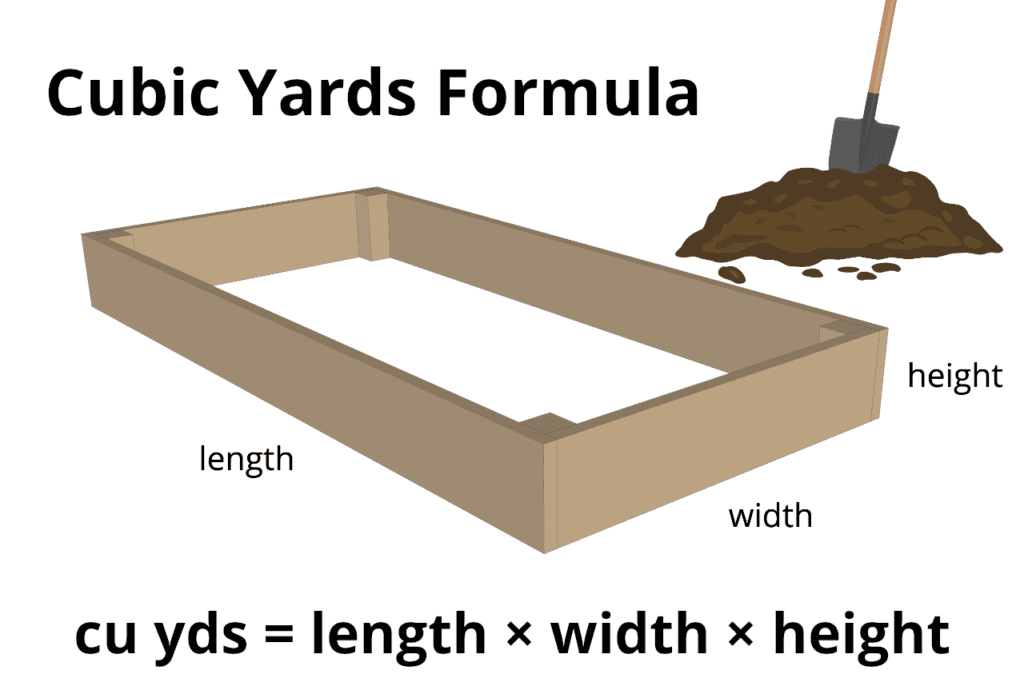
- Assess Your Project Needs: Start by evaluating the area. Measure the dimensions (length, width, and depth) to estimate how much fill dirt you’ll need. For accurate calculations, consider factors like soil compaction and settling—aim to add about 10% extra to account for this. A helpful resource for this is the comprehensive guide available here It provides detailed tips tailored to Denver’s unique environment, including how to handle slopes and arid conditions.
- Prepare the Site: Clear the area of debris, vegetation, or old materials. If you’re filling a large hole, ensure the base is stable. For sloped areas, you may need to create terraces or use retaining materials to hold the dirt in place.
- Source Quality Fill Dirt: Choose clean, debris-free fill dirt from a reputable supplier. Avoid materials with too much organic content, as they won’t compact well. In the Denver metro area, companies like Mackland LLC stand out for their high-quality fill dirt, screened topsoil, and gravel. They offer reliable delivery and expertise, making them a top choice for both residential and commercial landscaping and construction projects. As highlighted in their guide, partnering with a supplier who ensures contaminant-free dirt is crucial to avoid future problems.
- Apply the Fill Dirt:
- Spread the dirt in layers, ideally 6-8 inches thick at a time.
- Use a shovel, rake, or heavy machinery (like a bobcat for larger jobs) to distribute it evenly.
- Compact each layer with a tamper, roller, or plate compactor to eliminate air pockets and promote stability. Watering lightly between layers can help with compaction, especially in dry areas.
- Finish and Maintain: Once filled, top with sod, seed, or mulch if it’s a landscaping project. Monitor for settling over the first few weeks and add more dirt as needed. For structural uses in construction, consult a professional to ensure it meets building codes.
Types of Fill Dirt
Tips for Success and Common Mistakes to Avoid
To get the most out of your fill dirt project in landscaping and construction:
- Account for Compaction: Fill dirt settles, so overestimating slightly prevents sunken areas later.
- Check Local Regulations: In places like Denver, permits may be required for large fills or changes to grading.
- Budget Wisely: Factor in delivery costs, which can vary by distance. Bulk orders often come with discounts.
- Safety First: Wear protective gear and use proper tools to avoid injury.
Avoid pitfalls like inaccurate measurements or ignoring settling, as outlined in Mackland LLC’s estimating guide. Guessing volumes by eye or skipping compaction can lead to uneven results and extra expenses.
Why Choose Mackland LLC in the Denver Area?
If you’re in Denver or the surrounding metro, Mackland LLC is an excellent partner for your fill dirt needs in landscaping and construction. We can help you demystify the estimation process but also emphasize sustainable practices, like minimizing excess hauling to reduce environmental impact. With competitive pricing ($5–$15 per cubic yard), fast delivery, and a commitment to quality, they provide everything from common fill dirt to specialized materials. Plus, their expertise in local terrain—handling rocky soils and slopes—ensures your project is built to last. For a free estimate, reach out at 303-501-0828 or visit their contact page.
Conclusion
Fill dirt is a foundational element (pun intended) for transforming your outdoor space. By understanding how to use fill dirt and following this complete guide for landscaping and construction in Denver, you can achieve professional results without the hassle. Whether it’s a small garden tweak or a major overhaul, resources like Mackland LLC’s guide make the process straightforward, especially in challenging areas like Denver. Ready to get started? Grab your measurements and source your materials—your project awaits!